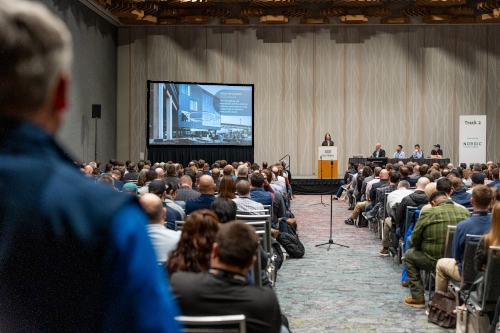
 View the Agenda
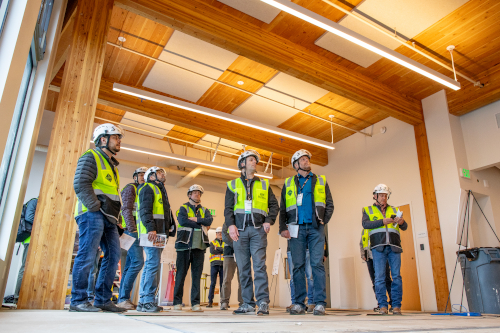 Book a Building Tour
 Book Your Exhibit Space
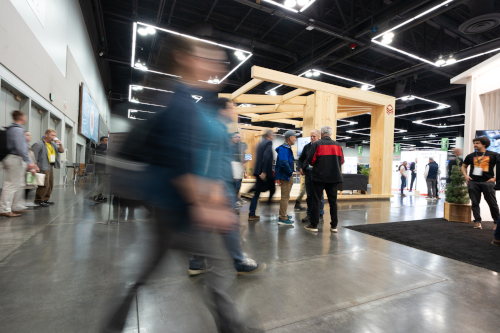 Explore the Exhibit Hall
 Become a Sponsor
 View Sponsors & Partners
 Reserve Hotel Rooms
 Discounted Plane Tickets
 Read Case Studies
 Download Past Reports

Thursday, April 2, 2026
Making Mass Timber Financially Feasible
Oregon Ballroom 201Presented in partnership with ULI Mass Timber Council
Moderator:

About the session...
In the global economic market that demands financial viability for project success, this session explores the critical strategies required to make a mass timber project pencil. While design and code breakthroughs have paved the way for mass timber, the ultimate proliferation of these sustainable buildings throughout North America and beyond depends on their financial feasibility. This session investigates the economic landscape through the distinct lenses of the Owner, Developer, Investor, and Lender. Join us for an educational exploration of how the mass timber community can better understand, position, and deliver projects that align environmental performance with long-term economic value.
Beyond expert insights, this session showcases groundbreaking work from the ULI Mass Timber Council through the introduction of a custom beta agentic tool. This AI-driven resource invites attendees to participate directly in the dialogue by visiting the ULI Mass Timber booth — located conveniently next to registration — to pre-submit specific questions to the tool. These inquiries may then be selected as featured topics during the presentation or addressed during the live Q&A. By bridging the gap between innovative technology and real estate financing, this interactive experience ensures you walk away with the practical answers and financial frameworks necessary to transition mass timber from a visionary concept into a commercially viable reality.


Session CEUs
Course Description
Mass timber adoption is often limited by financial feasibility and investor confidence rather than by design or code constraints. This session examines how developers and owners can evaluate, position, and deliver mass timber projects that align with financial objectives with environmental and performance goals. Presenters will explore the current landscape of mass timber financing, the investor funding cycle, and strategies employed by experienced developers to manage risk, control costs, and communicate value. Through case studies and guided discussion, this session demonstrates how early material decisions, lifecycle analysis, prefabrication, and collaborative delivery methods can improve construction efficiency, reduce environmental impact, and support healthy, high-quality buildings while strengthening long-term asset value.
Learning Objectives
- Describe key factors influencing the financial feasibility of mass timber projects, including investor expectations, risk management, and lifecycle cost considerations that affect health, safety, and welfare outcomes.
- Evaluate how early strategic decisions—such as material selection, prefabrication, and delivery method—can improve project performance, reduce waste, and support sustainable, code-compliant development.
- Analyze the role of integrated collaboration among developers, designers, contractors, and manufacturers in improving constructability, construction efficiency, and environmental performance.
- Apply lessons from built mass timber projects to align sustainability goals, climate impact reduction, and long-term building value with owner and community objectives.