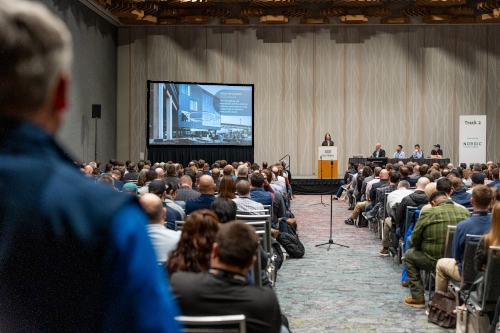
 View the Agenda
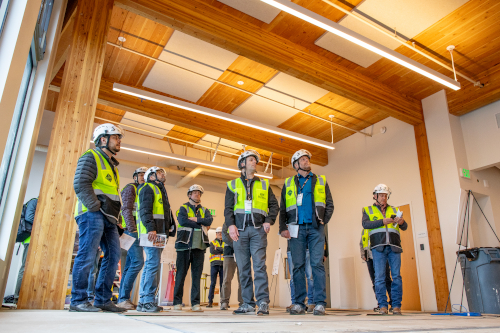 Book a Building Tour
 Book Your Exhibit Space
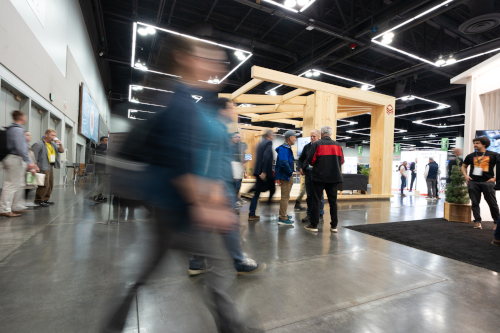 Explore the Exhibit Hall
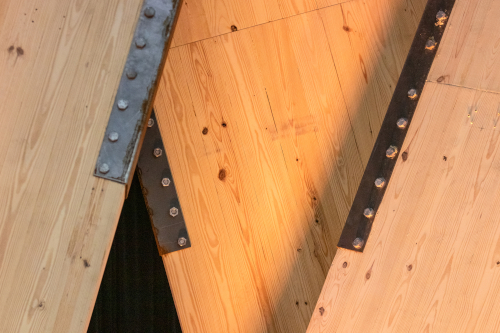 Become a Sponsor
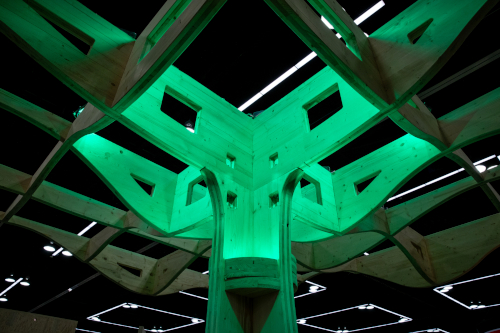 View Sponsors & Partners
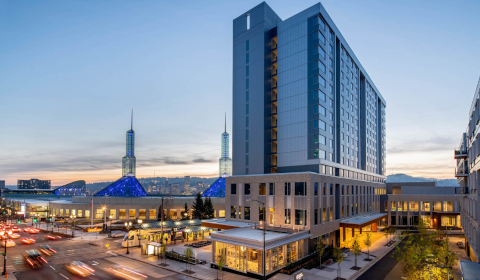 Reserve Hotel Rooms
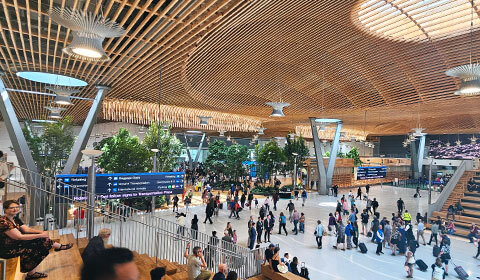 Discounted Plane Tickets
 Read Case Studies
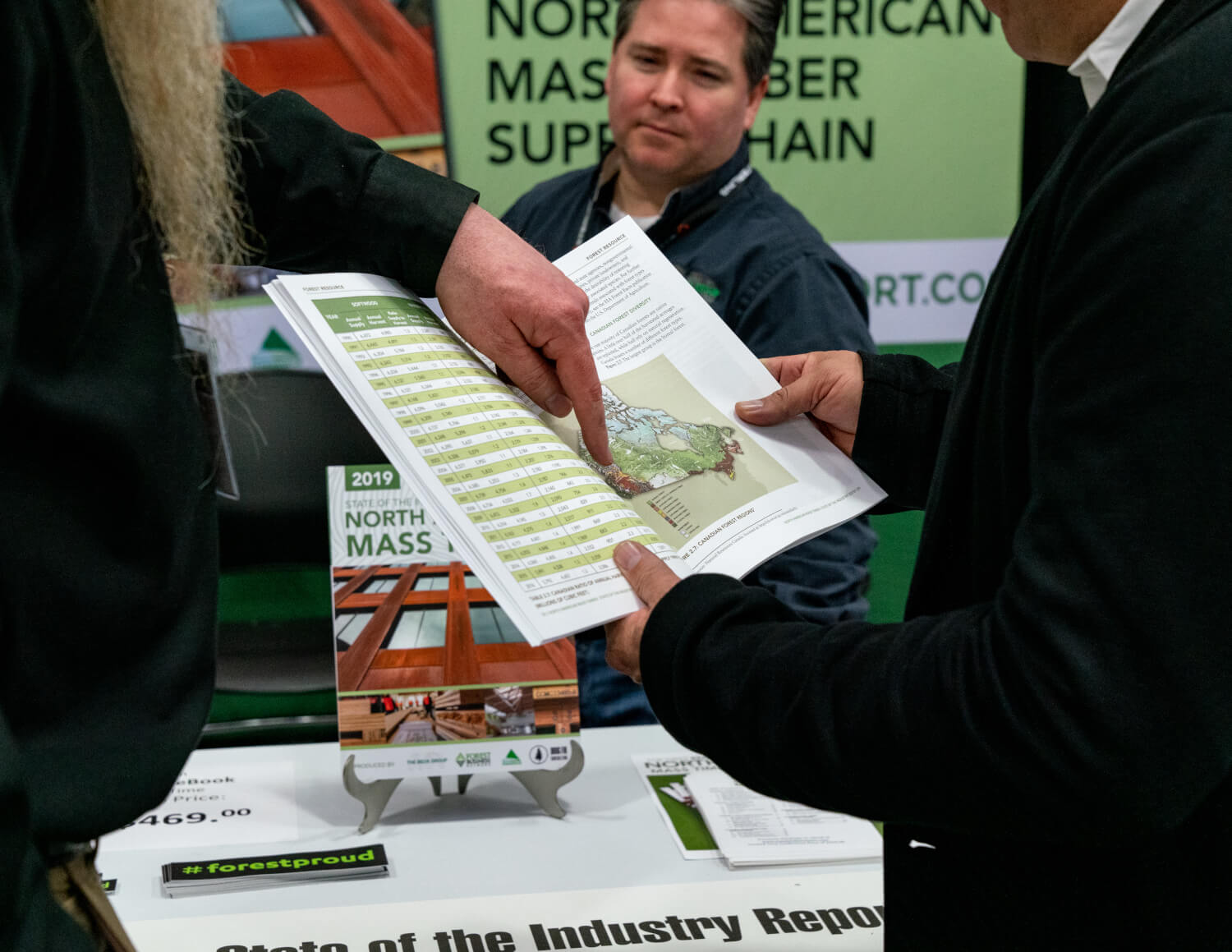 Download Past Reports

Wednesday, April 1, 2026
Inside Amazon’s and Google’s Mass Timber Projects
Oregon Ballroom 201Moderator:


Amazon DII5 Mass Timber Delivery Station (Elkhart, Indiana)
Amazon’s DII5 project in Elkhart, Indiana, is a recently developed delivery station that demonstrates the viability of mass timber in large-scale industrial logistics facilities.
Designed to operate as a fully functional last-mile delivery station, the project also serves as a sustainability testbed. DII5 incorporates a mass timber structural system alongside lower carbon materials, advanced water and energy strategies, and site-based environmental approaches.
This session offers a focused overview of DII5 — examining the business drivers, design and construction approach, challenges, successes, and project-specific outcomes.





Google: An Alternative Path Through Reclaimed Timber
Mass timber is celebrated for its renewable origins, but what happens when we extend its life through reuse? This session presents a pioneering circular economy case study, reclaiming historic timber from California’s Moffett Field Hangar 3 for a new 25,000-SF carbon-conscious workplace in Oregon.
The team salvaged 94,000 board feet of material, developing a pathway for requalification through rigorous scanning, structural testing, and code compliance review. The result: evidence that reclaimed timber can meet safety standards while laying the groundwork for an industry where reclaimed mass timber is priced and treated as a standard option rather than a risk. This case study goes beyond traditional supply chain narratives to demonstrate a more resilient model that not only avoids virgin resources but also creates new value from history. Attendees will learn how advocacy and data-driven testing can overcome regulatory hurdles, challenge outdated standards, and build confidence in circular solutions.
Ultimately, this session demonstrates how this model shifts mass timber reuse from exception to expectation, strengthening supply chains, reducing carbon, and charting a scalable path for climate-conscious design.




Session CEUs
Course Description
This session takes a close look at how mass timber is being used on real projects through two in-depth case studies. Attendees will hear directly from project teams behind Amazon’s DII5 mass timber delivery station and a Google-led workplace project using reclaimed timber. Together, these projects demonstrate how mass timber construction can advance sustainability goals, reduce embodied carbon, and introduce new ideas to large-scale industrial and commercial developments. Speakers will share what worked, what didn’t, and what they learned along the way—including design decisions, construction challenges, and regulatory considerations—giving attendees practical insights they can apply to their own projects.
Learning Objectives
- Identify the key drivers behind choosing mass timber for large industrial and commercial projects, including sustainability targets, carbon reduction goals, and project constraints.
- Understand how design and construction teams coordinated mass timber systems with other building components, from early design through construction.
- Recognize the opportunities and challenges of using reclaimed timber in modern mass timber construction, including testing, code compliance, and risk management considerations.
- Apply lessons learned from these case studies to better anticipate challenges and make informed decisions on future mass timber projects.